Your Cart is Empty
Get started with the Caraway essentials!
Free Shipping On Orders $90+
Free Returns
30-Day Trial
Home & Kitchen with Caraway
Key Takeaways
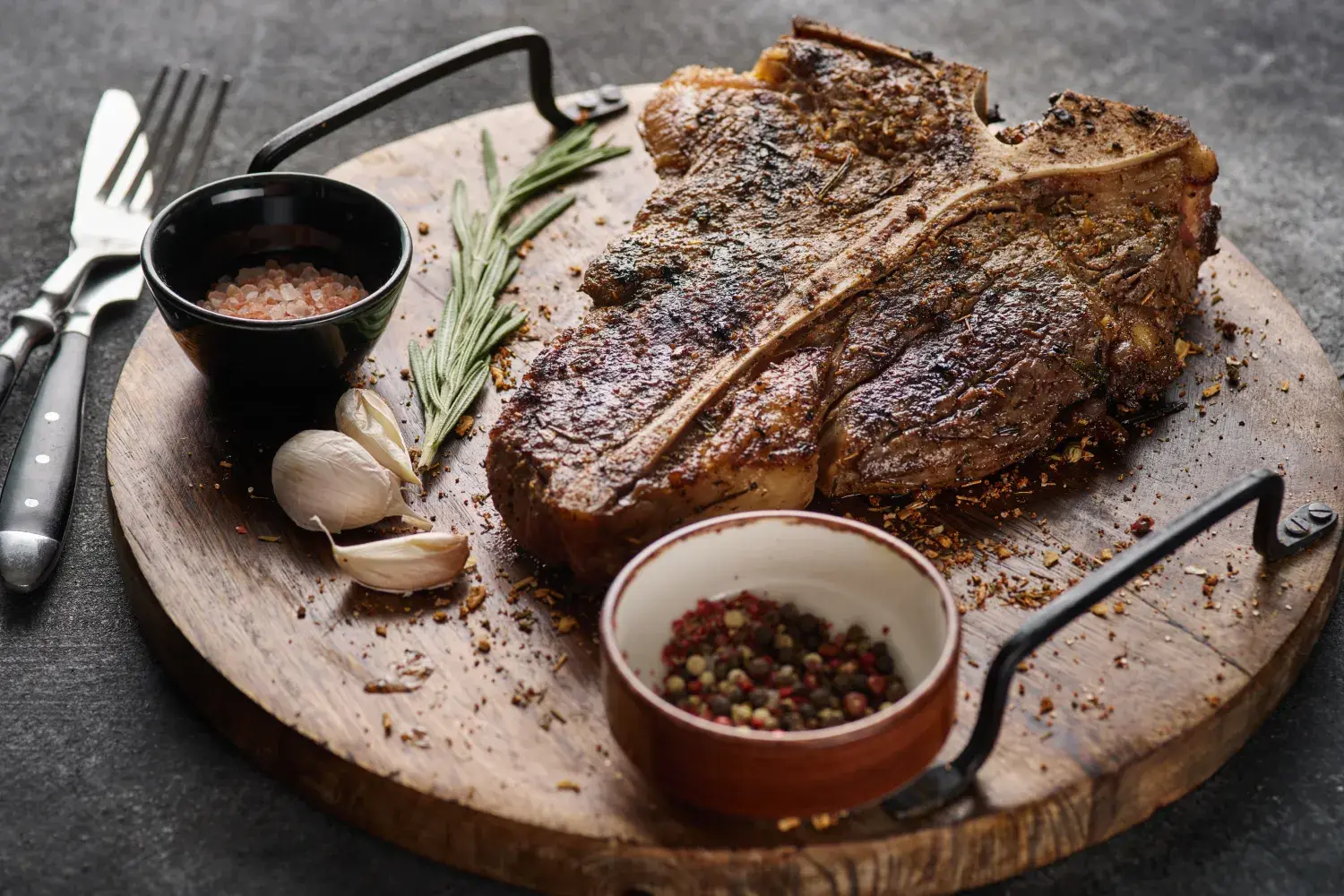
The best steak pan is the one that gets hot, holds steady heat, and fits your real-life cooking habits.
Cast iron sears hard, stainless steel gives the most control and versatility, and ceramic is a clean everyday option for moderate-heat steak nights.
Your results depend more on heat management and patience than chasing the “hottest pan” possible.
Cooking steak at home shouldn’t feel like a gamble. You buy a great cut, season it simply, and then the pan makes or breaks the entire experience. Too cool, and the steak steams. Too sticky, and you lose the crust. Too reactive, and cleanup ruins the win.
At Caraway , we think the best pan for steak is the one that gives you confident heat, predictable results, and a cleaner cooking experience without overcomplicating things.
Let’s break down the most common pan materials people use for steak, what they’re actually good at, and where each one shines (or struggles).
Before comparing materials, it helps to know what steak cooking actually demands from a pan.
A good steak pan should:
Get hot enough to trigger browning
Hold heat steady when the steak hits the surface
Release food when the crust forms
Handle fats and high temperatures without breaking down
From a health-conscious perspective, controlled heat matters too. When a pan overheats easily or unevenly, oils burn faster and food scorches before it browns. The goal is efficient heat, not maximum heat.
Cast iron is often the first pan people think of for steak, and for good reason.
It holds heat extremely well, which means once it’s hot, it stays hot . That thermal mass helps create a deep, even sear, especially for thicker cuts like ribeye or strip steak.
That said, cast iron has trade-offs.
It’s heavy, slow to adjust, and can overshoot temperature quickly. If you’re not careful, oils hit their smoke point fast, and the pan can become harder to control. It also requires seasoning and more hands-on maintenance to keep the surface smooth and rust-free.
Best for:
Thick steaks
High-heat searing
People who like a traditional, hands-on approach
Less ideal if:
You want lighter cookware
You prefer easier cleanup
You cook steak often on weeknights
Cast iron is powerful, but it rewards patience and experience.
Stainless steel is one of the most versatile choices for steak, especially when it’s well-made and heats evenly.
A quality stainless steel pan can get hot enough to sear while still allowing you to dial heat up or down quickly. This matters when finishing steak with butter, garlic, or herbs, where control prevents burning and keeps flavors clean.
Contrary to popular belief, stainless steel does not mean food always sticks. When properly preheated and lightly oiled, steak releases naturally once the crust forms.
From a health standpoint, stainless steel also avoids coatings entirely , making it a clean option for high-heat cooking.
Best for:
Consistent searing
Pan sauces after steak
Cooks who want control without guesswork
Less ideal if:
You skip preheating
You prefer ultra-forgiving surfaces
This is why we design our stainless steel cookware to heat evenly and perform well at moderate temperatures, so you don’t need extreme heat to get a great crust.
Ceramic-coated pans are often overlooked for steak, but when used correctly, they’re surprisingly effective, especially for thinner cuts or everyday steak nights.
Ceramic offers a naturally slick surface that requires less oil and cleans up easily. While it doesn’t hold heat like cast iron, it responds quickly and works best at low-to-medium heat, where browning happens without burning fats.
This makes ceramic a solid option for cooks who value cleaner cooking, lower smoke, and simpler cleanup.
Best for:
Thinner steaks
Leaner cuts
Health-conscious cooking
Less ideal if:
You want extreme high-heat sears
You skip proper preheating
Ceramic shines when you let the pan do its job instead of forcing it.
Traditional nonstick pans are easy to use, but they’re not ideal for steak.
Most nonstick coatings aren’t designed for high heat . Cranking the burner risks damaging the surface, shortening the pan’s lifespan, and limiting browning potential.
You can cook steak in a nonstick pan, especially thinner cuts, but you won’t get the same crust or fond for sauces.
Best for:
Very thin steaks
Quick cooking with minimal oil
Less ideal if:
You want a deep sear
You cook steak often
If steak is a regular part of your rotation, other materials will serve you better long-term.
The “best” pan really depends on how you cook steak at home.
If you love thick cuts and dramatic sears, cast iron or stainless steel will feel right. If you cook leaner steaks or want faster cleanup, ceramic makes more sense. If you value flexibility—searing, basting, and making a pan sauce in one go—stainless steel is hard to beat.
This is why our cookware lineup focuses on balanced performance rather than extremes. You shouldn’t need restaurant-level heat or constant babysitting to cook a great steak.
No matter which pan you choose, technique matters.
A few universal rules:
Let the pan preheat gradually
Use oils appropriate for your heat level
Let the steak release naturally before flipping
Rest the steak before slicing
These steps protect both your food and your cookware, leading to better results across the board.
Steak night shouldn’t end with a sink full of stress.
Cast iron and carbon steel require drying and maintenance. Traditional nonstick wears over time. Stainless steel and ceramic clean up easily when allowed to cool and washed gently.
Choosing a pan that fits your cleanup tolerance is just as important as choosing one that sears well.
If you want maximum sear , cast iron delivers.
If you want control and versatility , stainless steel excels.
If you want cleaner cooking and easy cleanup , ceramic is a strong everyday choice.
The best pan is the one that fits your habits, not the one that demands perfection.
At Caraway , we design cookware that supports real-life cooking—materials that heat evenly, clean easily, and let you focus on the food instead of the pan.
Because a great steak should feel achievable, not intimidating.
For most home cooks, a quality stainless steel pan is the sweet spot because it sears well, lets you control heat, and makes pan sauces easy. If you want the most aggressive crust and do not mind weight and upkeep, cast iron is a classic pick.
Cast iron holds heat longer, which helps with thick steaks and a deep sear. Stainless steel gives you more control and flexibility, especially if you like basting with butter or finishing with a pan sauce.
Yes, especially for thinner steaks or everyday steak nights. The key is using low to medium heat, preheating properly, and letting the steak sit until it naturally releases.
Usually it is one of three things: the pan was not fully preheated, there was not enough fat, or you tried to flip too soon. Once the crust forms, steak typically releases on its own.
No. Cast iron is great, but a well-made stainless steel pan can absolutely deliver a strong sear. The bigger factor is heat control and patience, not owning one specific pan.
Use an oil that matches your heat level and cooking style. If you are going hotter, pick an oil that can handle higher temps. If you are cooking at moderate heat, you have more flexibility. The goal is avoiding burnt oil and keeping flavor clean.
If easy cleanup is a priority, ceramic-coated cookware is a strong everyday option, and stainless steel cleans up well when you deglaze and wash after cooling. Cast iron and carbon steel require more routine care.
Stainless steel is best for this because it builds fond. After cooking, lower the heat, add a splash of liquid to lift the browned bits, and build from there with butter, aromatics, or herbs.
Sources:
Cooking at Home |
HelpGuide.org
Why Cast Iron Is Worth the Effort | N.C. Cooperative Extension
How Toxic Are Your Pots and Pans? | AARP
The Simple Mistake That's Secretly Ruining Your Nonstick Pans | Southern Living
Get started with the Caraway essentials!
Free Shipping On Orders $90+
Free Returns
30-Day Trial