Almost there! You're $90.00 away from free shipping
Your Cart is Empty
Get started with the Caraway essentials!
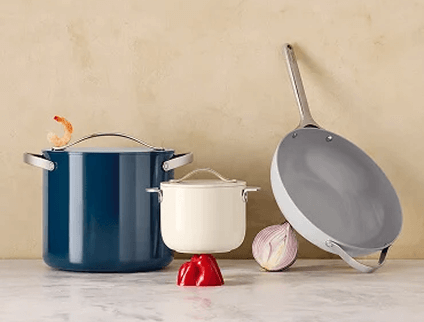
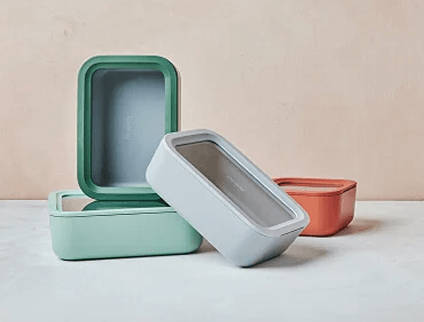
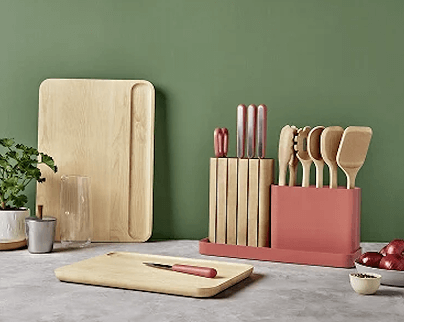
Free Shipping On Orders $90+
Free Returns
30-Day Trial
Home & Kitchen with Caraway

Key Takeaways
The average home contains dozens of products with potentially harmful chemicals, but small, intentional swaps can significantly reduce your family's exposure over time.
The kitchen is one of the biggest sources of daily chemical contact, from cookware coatings to plastic food storage to the surfaces you prep on.
You don't have to overhaul everything at once. Start with the items you use most and build from there.
Here's something that might change the way you look at your house: the EPA has only published evaluation data for a fraction of the tens of thousands of chemicals used in everyday consumer products.
That means a lot of what's sitting on your shelves, in your cabinets, and under your sink hasn't been thoroughly tested for long-term safety. And many of those chemicals end up in your indoor air and household dust , where your family encounters them daily.
At Caraway , we started with cookware because the kitchen felt like the most urgent place to make a change. But a non-toxic home goes beyond what you cook with. It's about looking at your whole living space with fresh eyes and making smarter choices, one room at a time.
The good news? None of this requires a full-house renovation. Most of the highest-impact swaps are simple, affordable, and honestly kind of satisfying once you get going.
Your kitchen is ground zero for chemical exposure because it's where food meets surfaces, heat, and storage every single day. Traditional nonstick cookware made with PTFE can release toxic fumes when overheated , and plastic food storage containers can leach chemicals like BPA and phthalates into your meals, especially when heated.
A few high-impact kitchen swaps:
Replace traditional nonstick pans. Ceramic-coated cookware gives you that same easy-release cooking experience without PFAS, PTFE, or PFOA. Our Cookware Set is third-party tested for over 200 harmful substances and includes storage so your pans aren't banging around in a cabinet, getting scratched.
Switch from plastic to glass food storage. Glass doesn't absorb odors, it doesn’t stain, and it doesn’t leach chemicals. Our Food Storage Set is made with ceramic-coated borosilicate glass that goes from fridge to oven to table without ever needing to transfer food to a different container.
Ditch the plastic cutting boards. Plastic boards develop deep grooves over time that harbor bacteria and shed microplastics into your food. FSC-certified wood cutting boards are naturally antimicrobial and don't come with those concerns.
Swap out plastic wrap and bags. Beeswax wraps, silicone lids, and glass containers can handle most of what plastic wrap does without the waste or the chemical contact.
This is one of the sneakiest sources of chemical exposure in most homes. Many conventional household cleaners contain volatile organic compounds (VOCs) , formaldehyde, and synthetic fragrances that linger in your air long after you've finished wiping down the counter.
And "fragrance" on an ingredient label can actually represent hundreds of undisclosed chemical compounds . You don't need a cabinet full of specialty products to keep your home clean.
A few basics go a long way:
White vinegar + water handles most surface cleaning. Add a few drops of essential oil if you want it to smell nice.
Baking soda is a gentle abrasive for sinks, tubs, and stovetops.
Castile soap diluted in water works for floors, dishes, and general cleanup.
When buying cleaners, look for the EPA's Safer Choice label , which means the ingredients have been evaluated for human health and environmental safety.
Use reusable cloths and organic cotton towels instead of chemical-laden disposable wipes. Our Tea Towels are organic cotton, lint-free, and made for exactly this kind of everyday use.
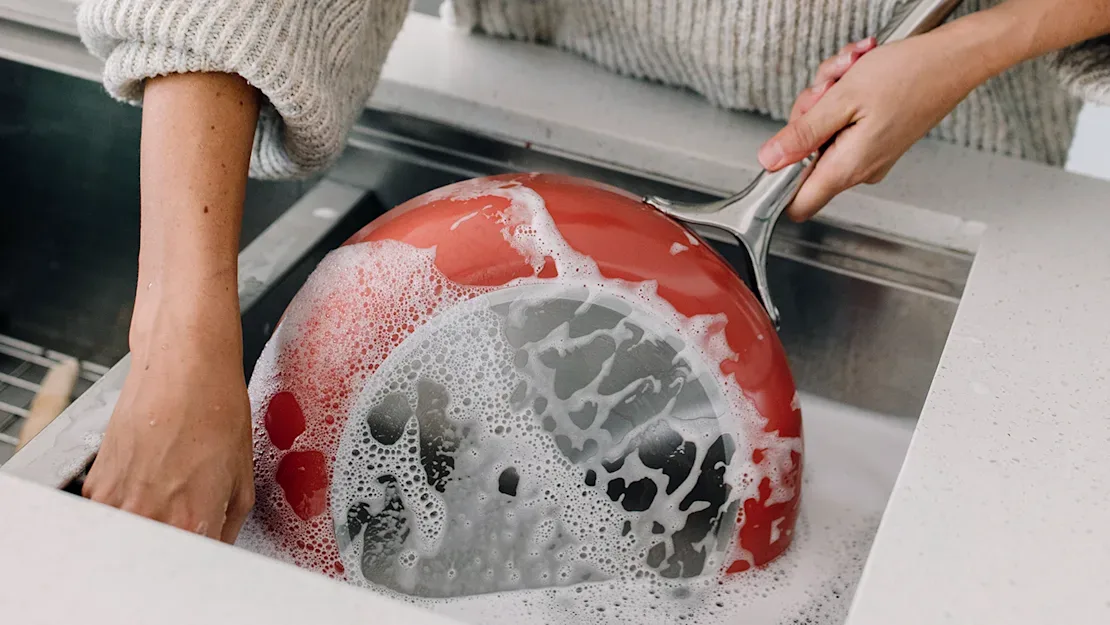
Indoor air quality is something most people don't think about until there's an obvious problem, but the NIH notes that many common household items quietly off-gas chemicals into your living space. Scented candles, plug-in air fresheners, and aerosol sprays can all introduce irritants and potential carcinogens into the air your family breathes.
Better alternatives include beeswax or soy candles with cotton wicks, essential oil diffusers, and simply opening windows regularly to improve ventilation. If you're doing any deep cleaning, painting, or using strong products, crack a window and run a fan. A HEPA air purifier is also worth the investment if anyone in your household has allergies or asthma.
This one sounds boring, but it's one of the most effective things you can do. Household dust is a reservoir for toxic chemicals , including flame retardants, phthalates, and PFAS that shed from furniture, electronics, and textiles. Kids and pets pick these up constantly through hand-to-mouth contact and floor time.
Vacuum regularly with a HEPA-filter vacuum to trap fine particles instead of blowing them back into the air.
Dust with a damp cloth rather than a dry duster, which just moves particles around.
Mop hard floors with a wet mop instead of sweeping.
Take your shoes off at the door. You'd be surprised what gets tracked in from outside, including pesticides, lead dust, and industrial chemicals.
When it's time to replace mattresses, couches, or kids' furniture, look for products made without chemical flame retardants. Foam, upholstery, and carpet are common sources of these chemicals, and they break down over time into the dust you just learned about.
Choose cotton, wool, or polyester fill over polyurethane foam when possible. For curtains and shower liners, skip PVC (vinyl) and go with fabric options like organic cotton, linen, or hemp.
The most frequently detected include phthalates, phenols, flame retardants, and PFAS . These show up in everything from cleaning products and furniture to cookware and personal care items, and they accumulate in household dust over time.
Not necessarily. The word "natural" isn't regulated, so it can mean almost anything. Look for specific certifications like the EPA's Safer Choice label, or check ingredient lists for transparency. Simple DIY cleaners made with vinegar, baking soda, and castile soap are a reliable fallback.
Look for cookware that's labeled PFAS-free (not just PFOA-free) and check whether the brand provides third-party testing results. Ceramic-coated and stainless steel cookware are two of the safest options for everyday cooking.
Sources:
Making a Healthier Home | NIH News in Health
Reducing Chemical Exposures at Home: Opportunities for Action | PMC
6 Toxins in Your Home and How to Replace Them | Memorial Hermann
What's Cooking? PFAS and Other Chemical Hazards in Nonstick Pans | Ecology Center
Plastic Food Container Safety | PMC
Learn About the Safer Choice Label | EPA
Almost there! You're $90.00 away from free shipping
Get started with the Caraway essentials!
Free Shipping On Orders $90+
Free Returns
30-Day Trial